
Bearing Encyclopedia:
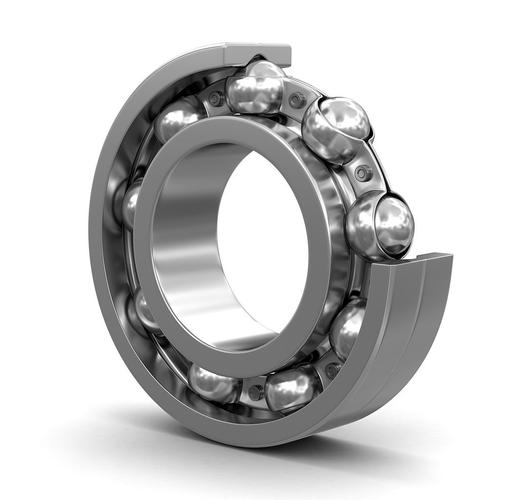
Deep - groove ball bearings are widely used in various mechanical equipment. They can bear not only radial loads but also a certain amount of axial loads, ensuring the smooth rotary motion of equipment. However, due to the changeable working environment, complex load conditions and long running time, deep - groove ball bearings are prone to various faults. These faults will not only cause equipment shutdown, increase maintenance costs, but also may cause safety hazards. Therefore, it is very important to understand the common fault causes of deep - groove ball bearings and master the solutions and maintenance skills proficiently to ensure the normal operation of equipment. This article will deeply discuss the common fault causes and solutions of deep - groove ball bearings, helping technical personnel and maintenance personnel better deal with practical problems.
1. Common Fault Causes of Deep - Groove Ball Bearings
Poor lubrication: If the lubricating grease is improperly selected, or the lubrication is not timely and the lubrication amount is insufficient, the internal friction of the bearing will increase, generating excessive heat, accelerating the wear of bearing parts, and may also cause the bearing to seize.
Installation error: If the fit between the bearing and the shaft or bearing seat does not meet the requirements during installation, such as excessive or insufficient interference, the bearing will bear uneven load during operation, causing abnormal vibration and noise, and resulting in premature damage of the bearing in the long run.
———